From Awareness to Action: How to Build Mentally Healthy Workplaces
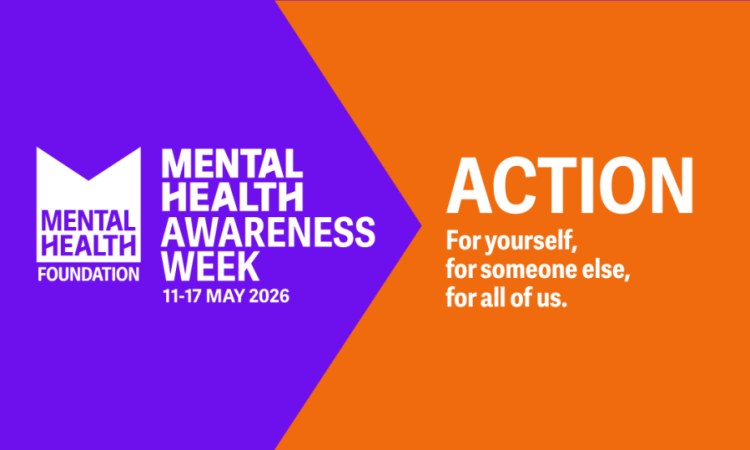
This year’s Mental Health Awareness Week theme is Action.
It’s a timely focus. Mental health at work is widely discussed. Awareness has improved. Conversations are more open than they once were.
But awareness alone does not change culture.
The theme of Action invites organisations to move beyond discussion and towards practical, sustained shifts in how work is designed, led and experienced.
Why awareness is only the starting point
Awareness plays an important role. It reduces stigma, increases understanding and gives people language to talk about their experiences.
However, when awareness activity is not matched with changes to the conditions of work, pressure remains unchanged.
If workload is unclear, priorities constantly shift, boundaries are blurred and managers feel under-equipped, mental strain accumulates - regardless of how many awareness campaigns are delivered.
Awareness opens the conversation. Action reshapes the environment.
What Action Looks Like in Practice
Moving from awareness to action requires attention at multiple levels of an organisation.

1. Individual Capability
People benefit from practical skills:
Understanding stress responses
Recognising early warning signs
Communicating needs clearly
Knowing how and when to seek support
These capabilities help individuals respond more effectively to pressure.
2. Manager Confidence and Clarity
Managers are not expected to become therapists, but they do shape psychological safety. Action at this level includes:
Recognising early signs of strain
Responding proportionately
Setting realistic expectations
Maintaining clear boundaries
Manager behaviour significantly influences how sustainable work feels.
3. Team Norms and Everyday Practice
Mental health is shaped daily by team dynamics. Questions worth asking include:
How is workload discussed?
Is it safe to say “I’m at capacity”?
Are expectations explicit?
Do communication norms reduce or amplify pressure?
Many sources of strain sit at team level: unclear priorities, inconsistent expectations and unspoken norms. Addressing these directly changes how work is experienced.

4. Organisational Design
Perhaps most importantly, organisational design shapes mental health more than any awareness week.
Clarity of priorities, realistic capacity planning, aligned performance measures and visible leadership behaviours all influence wellbeing.
Action here may involve small but meaningful structural shifts - adjusting response-time expectations, reviewing workload allocation, or clarifying strategic focus.
From Campaign Moment to Cultural Shift
Mental Health Awareness Week can be a catalyst. But meaningful change happens when organisations use that moment to look beyond a single week - and begin aligning skills, behaviours and structures.
Action does not need to be dramatic. It is often deliberate, practical and behavioural.
When awareness is paired with capability-building, team development and thoughtful organisational design, mental health becomes embedded rather than episodic.
Awareness starts the conversation. Action sustains it.