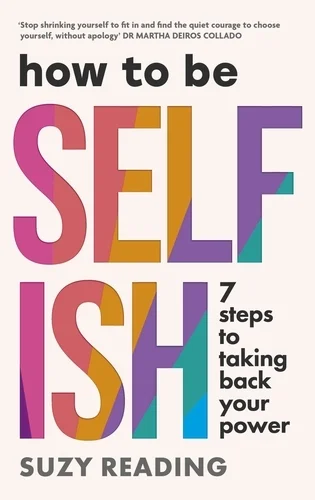
How to be Selfish
This workshop invites you to challenge the common belief that selflessness is an unquestioned virtue - especially for women. In many of our lives, we hold on with white-knuckled determination to put everyone else’s needs before our own. How to Be Selfish reframes selfishness, helping you recognise that focusing on yourself, prioritising your needs, and advocating for yourself aren’t flaws - they are essential acts of self-care and self-respect
Overview
In this session, you’ll explore why many of us fear being seen as “selfish,” and how that fear has been shaped by culture, upbringing, and internalised beliefs. The workshop draws on neuroscience, psychology, and somatic therapy to help you:
Understand the roots of guilt, people-pleasing and the “good girl / good woman” script that keeps us trapped in self-sacrifice.
Recognise how neglecting your own needs can erode your energy, clarity, and emotional balance over time.
Learn and practise simple, grounding body-mind techniques and self-advocacy tools to reconnect with your needs and boundaries.
Engage in reflective exercises and coaching prompts designed to help you re-define what “selfishness” means - in healthy, life-affirming ways.
Participants leave with a personal set of insights and practical tools to begin living more intentionally - honouring themselves, trusting their worth, and allowing others to “fill up their cup” too.
Outcomes
Feel empowered to recognise and honour your own needs without guilt or shame.
Have clarity on when and how to set boundaries, say “yes” to yourself, and prioritise rest, self-care, and inner peace.
Be equipped with tangible body-mind and psychological practices that support self-advocacy, calmness, resilience and self-respect.
Understand how reclaiming selfishness can lead to stronger relationships - with yourself and others - because you start from a place of fullness, not depletion.
Get in touch
To book this solution for your organisation, please contact us